Nigeria’s Defence Industry Is Poised for Global Relevance
The Defence Industries Corporation of Nigeria (DICON), long considered as the sleeping giant of Nigeria’s military industrial base, is awakening.
Established in 1964 by an Act of Parliament and in partnership with a German firm, DICON’s ordnance factory became a cornerstone of Nigeria’s defence capabilities. During the Civil War of 1970, it supplied the Armed Forces with critical materiel, embodying the spirit of national self-reliance.
However, as the years passed, factors such as changing defence demands, limited legislative scope, and inadequate funding eroded its capacity. For decades, it struggled to meet the needs of the Armed Forces and paramilitary agencies, even as Nigeria’s security challenges grew.
Recognising the urgent need for reform, President Bola Ahmed Tinubu signed the DICON Act 2023, a legislative overhaul that expanded the corporation’s production capacity and opened it to new markets. The move reflects a broader understanding of modern defence industries that requires massive capital investment, technology partnerships, and private-sector involvement—elements the state alone cannot fully sustain.
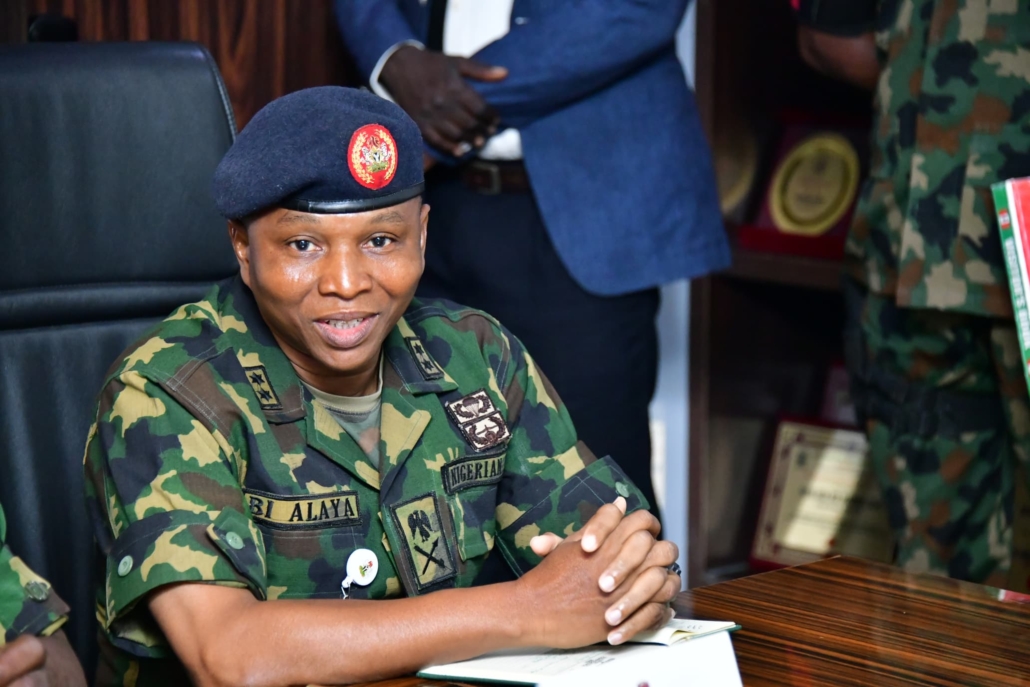
To translate this legislative win into operational success, President Tinubu appointed Major General BI Alaya as Director General. Known for his strategic acumen, the DG wasted no time forging high-value joint venture partnerships worth billions of naira. These collaborations are bringing advanced technologies—such as drones and MESH systems—into Nigeria’s defence toolkit, strengthening border security and surveillance capabilities.
Under the auspices of Major General BI Alaya,
DICON’s new model prioritises local manufacturing. Partnerships with D7G, SP Offshore, Vinicious, GrayInsignia, and other defence firms will see arms and ammunition produced faster, cheaper, and within Nigeria’s borders. This shift aligns with the Nigeria First policy, ensuring the Armed Forces and security agencies can access equipment without the delays and costs of foreign procurement.
The benefits go beyond military readiness. Joint ventures are creating jobs in DICON’s host community and across the country, while also transferring technical know-how to Nigerian engineers and technicians.
Major General BI Alaya, stated that sustainability is just as important as production. Staff are being sent abroad for specialised training with equipment manufacturers. This will ensure they can operate, maintain, and eventually innovate on imported technologies. Efforts are also underway to improve raw material sourcing, a critical step toward long-term self-sufficiency.
In a recent interview with Channels TV, Major General BI Alaya stated: “As the President has emphasised Nigeria First, so also will DICON ensure our security needs are met right here at home.” His call extends beyond the military to every stakeholder in the defence and industrial sectors: invest, partner, and patronise.
The revival of DICON is more than a policy success—it’s a signal that Nigeria is ready to build its own defence future. From the clang of the factory floor to the quiet hum of drones over the nation’s borders, the message is clear: Nigeria’s security will be made in Nigeria.
Maria N Sambo
PIO DICON


Leave a Reply
Want to join the discussion?Feel free to contribute!